Pneumatic Stomach Content Transport System for Cattle Slaughterhouse
Pneumatic Stomach Content Transport System. Benchmark reference only; share your duty and interfaces to confirm a proposed configuration.
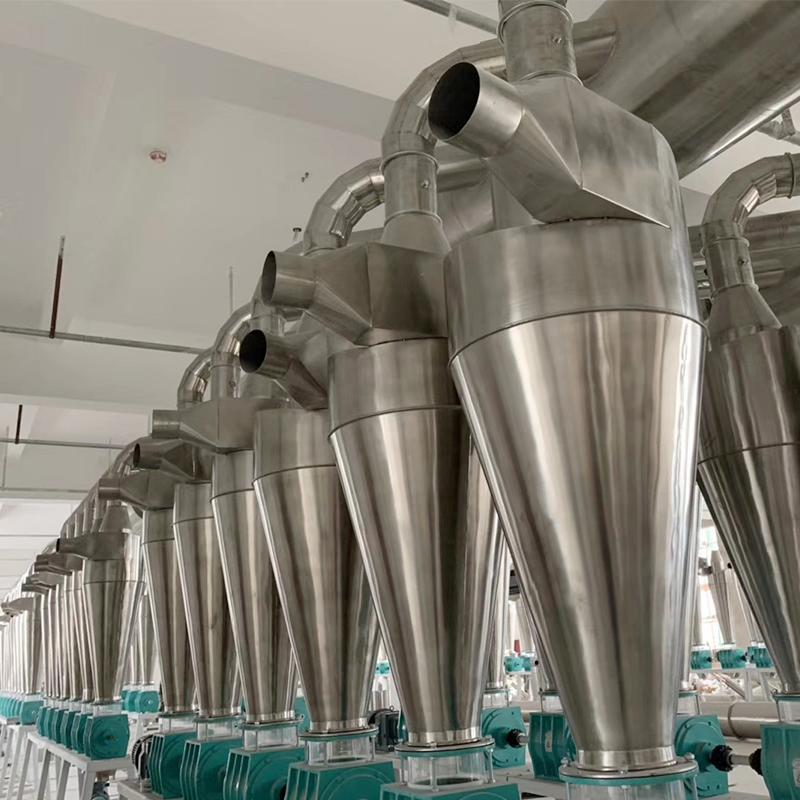
Supplied product-directory reference image: equipment family or process context. It is not proof of an exact model, HUATAO installation or certification. Confirm the proposed configuration photograph and drawing before ordering.
Specification notes
| Model status | Product-family enquiry; no confirmed HUATAO model in this source |
|---|---|
| Reference provenance | Supplied database includes third-party EME / QE benchmark information |
| Data status | Benchmark values below are not HUATAO supply specifications |
Benchmark provenance — configuration not established
The supplied section includes third-party EME / QE reference information. The benchmark tables below are retained for technical comparison and identifying the questions to ask; they do not establish a HUATAO model, manufacturing specification or offered configuration. Request a separate HUATAO quotation and configuration drawing for this equipment family. Third-party model identifiers are not relabelled as HUATAO models.
Use and process role
The Pneumatic Stomach Content Transport System for Cattle Slaughterhouse is a specialized conveying system designed for the automatic transportation of stomach contents and offal waste generated during cattle evisceration.
During beef slaughter processing, rumen contents (stomach waste) must be quickly removed from the processing area to maintain hygiene and improve production efficiency. Traditional manual transportation requires significant labor and may create sanitation problems due to leakage and odor.
This pneumatic transport system uses compressed air power to transfer stomach contents through a closed pipeline system to a designated collection area.
The system is mainly composed of:
Stainless steel stomach content receiving chute
Pneumatic air cylinder and valves
Cyclone separator
Stomach content collection tank
Galvanized transportation pipeline
Control valves and supporting structures
According to EME specifications, the system model is QE-C226, designed for transporting offal waste by pneumatic power. The standard working pressure is 0.6–0.8 MPa, with a transport pipeline length of approximately 50–80 meters and diameter Ø219 mm.
Compared with manual handling or open conveyors, this closed pneumatic system provides:
Cleaner production conditions
Reduced labor requirements
Better odor control
More efficient waste management
Structure and working principle
The pneumatic stomach content transport system operates based on compressed air pressure.
During operation:
Stomach contents from cattle evisceration are discharged into the stainless steel receiving chute.
The pneumatic valve opens and compressed air enters the transport chamber.
Air pressure pushes the stomach contents through the closed pipeline.
The material reaches the cyclone separator.
Solid waste is separated and collected in the storage tank.
Exhaust air is discharged through the separation system.
The pneumatic conveying method allows long-distance transportation of stomach contents without manual carrying.
Source-listed construction and features
1. Closed Pneumatic Transport Design
Unlike open carts or manual transportation, the system transfers waste through enclosed pipelines.
Applications and integration
The Pneumatic Stomach Content Transport System is mainly used in:
Beef slaughterhouses
Cattle abattoirs
Meat processing factories
Large-scale livestock processing plants
Integrated slaughter and by-product processing facilities
Typical installation position:
Evisceration Area → Stomach Content Collection → Pneumatic Transport → Waste Collection Room
The system is installed after cattle stomach opening and evisceration operations.
It is suitable for plants that require:
Continuous waste removal
Improved sanitation
Reduced manual transportation
Selection conditions and project fit
State product or animal range, required duty and throughput, available space, utilities, connection dimensions and delivery scope. Confirm the configuration and acceptance criteria in writing.
Evidence, configuration and document status
The descriptions and tables below are source-listed reference information, not independently measured results. Confirm material grade, electrical supply, dimensions, duty, guards, controls and delivery scope in the approved quotation and drawing. No model-specific certificate or verified customer installation is established by this page. Request the document issuer, applicable model, scope and revision before relying on a compliance claim.
Source and version
Reference compilation R1, 2026-11-16. Supplied document: 2. 去皮去内脏胴体修整设备.doc; section 2.10. Configuration rows retain source units. Where the source lists alternatives or several models, each row must be checked as a separate configuration; a capacity or dimension must not be transferred between models.
Installation and process interfaces
Provide the load and product range, travel direction, rail/belt section or mating geometry, working heights, supports and maintenance clearances. Similar appearance is not proof of fit.
Utilities, control and feedback requirements
For powered equipment, confirm the matching drive, supply, control and line signals. For passive components, confirm mechanical interfaces and any requirements of the receiving equipment; no powered or feedback capability should be assumed.
Maintenance and part identification
Request the configuration-specific manual and part references for rollers, chains, hooks, bearings, guides and drive elements where applicable. Agree quantities and replenishment needs against actual duty and delivery experience. This page does not prescribe maintenance intervals, repairs or a guaranteed stock position.
Configuration-specific document checklist
Before purchase, identify the complete model and suffix, configuration table and drawing revision. Request the applicable layout/interface drawing, specification, manual, parts list and agreed inspection or test records. Performance curves or certificates should be linked only when an applicable original exists; a reference summary is not a substitute.
Compare configurations for your project
For Pneumatic Stomach Content Transport System for Cattle Slaughterhouse, keep the complete identifier the proposed complete model and configuration attached to its own source configuration. Compare process duty, incoming animal or product range, target output, utilities, installation envelope and upstream/downstream interfaces under the same project conditions. A higher catalogue rate alone does not establish a better fit.
Start with this page's listed reference fields: Model status: Product-family enquiry; no confirmed HUATAO model in this source; Reference provenance: Supplied database includes third-party EME / QE benchmark information. Confirm units, conditions and revision against the quoted configuration; do not transfer values to another model.
This record includes third-party benchmark information. It is not confirmation of HUATAO manufacture, supply rights, certified performance or an interchangeable HUATAO model.
Purchasing review and enquiry preparation
Start with Pneumatic Stomach Content Transport System for Cattle Slaughterhouse and its specification/source notes. Download the linked reference summary, then request the original configuration-specific drawing and current technical documents. The summary is not an approved drawing, certificate or acceptance record.
Use the linked cattle & beef processing application and purchasing guidance to review process interfaces, selection conditions and the proposed supply boundary. Verify which manufacturer, supplier and installation responsibilities are included; a reference photo does not establish factory ownership, certification or a completed HUATAO installation.
Before enquiry, prepare animal species or incoming product, size/weight range, target throughput, operating shifts, destination, available utilities and a layout or interface drawing. Quote the proposed complete model and configuration and identify the missing documents or conditions you need checked. Use the enquiry on this page so the product and original source page are retained.
| Item | Specification |
|---|---|
| Product Name | Pneumatic Stomach Content Transport System |
| Application | Cattle stomach content and offal waste transportation |
| Working Principle | Pneumatic conveying |
| Working Pressure | 0.6–0.8 MPa |
| Transport Distance | 50–80 m |
| Pipeline Diameter | Ø219 mm |
| Receiving Chute Material | Stainless Steel |
| Air Supply System | Pneumatic cylinder + valves |
| Separator Type | Cyclone separator |
| Collection Method | Stainless steel collection tank |
| Pipeline Material | Hot galvanized steel pipe |
| Support Material | Hot dip galvanized supports |
Buyer FAQ
What is a pneumatic stomach content transport system used for?
It is used to transport cattle stomach contents and offal waste from the evisceration area to a collection location.
How does the system move stomach waste?
It uses compressed air pressure to push waste materials through enclosed pipelines.
What air pressure is required?
The standard working pressure is approximately 0.6–0.8 MPa.
What materials can be transported?
It is mainly designed for cattle rumen contents and slaughterhouse organic waste.
Is the system suitable for small slaughterhouses?
It can be customized, but it is especially suitable for medium and large slaughterhouses requiring continuous waste handling.
What equipment works together with this system?
It can be integrated with: Cattle evisceration line Stomach cleaning machine Offal processing system Waste treatment system
What information is needed to select this equipment?
State product or animal range, required duty and throughput, available space, utilities, connection dimensions and delivery scope. Confirm the configuration and acceptance criteria in writing.
Are these specifications an approved supply commitment?
No. These are source reference details. The quotation must identify the exact configuration, drawing revision, included documents and agreed acceptance criteria.
Related configurations and guidance
Reference specification and document status
This reference is not an approved manufacturing drawing, inspection report or certificate. Request the configuration-specific documents before purchase.