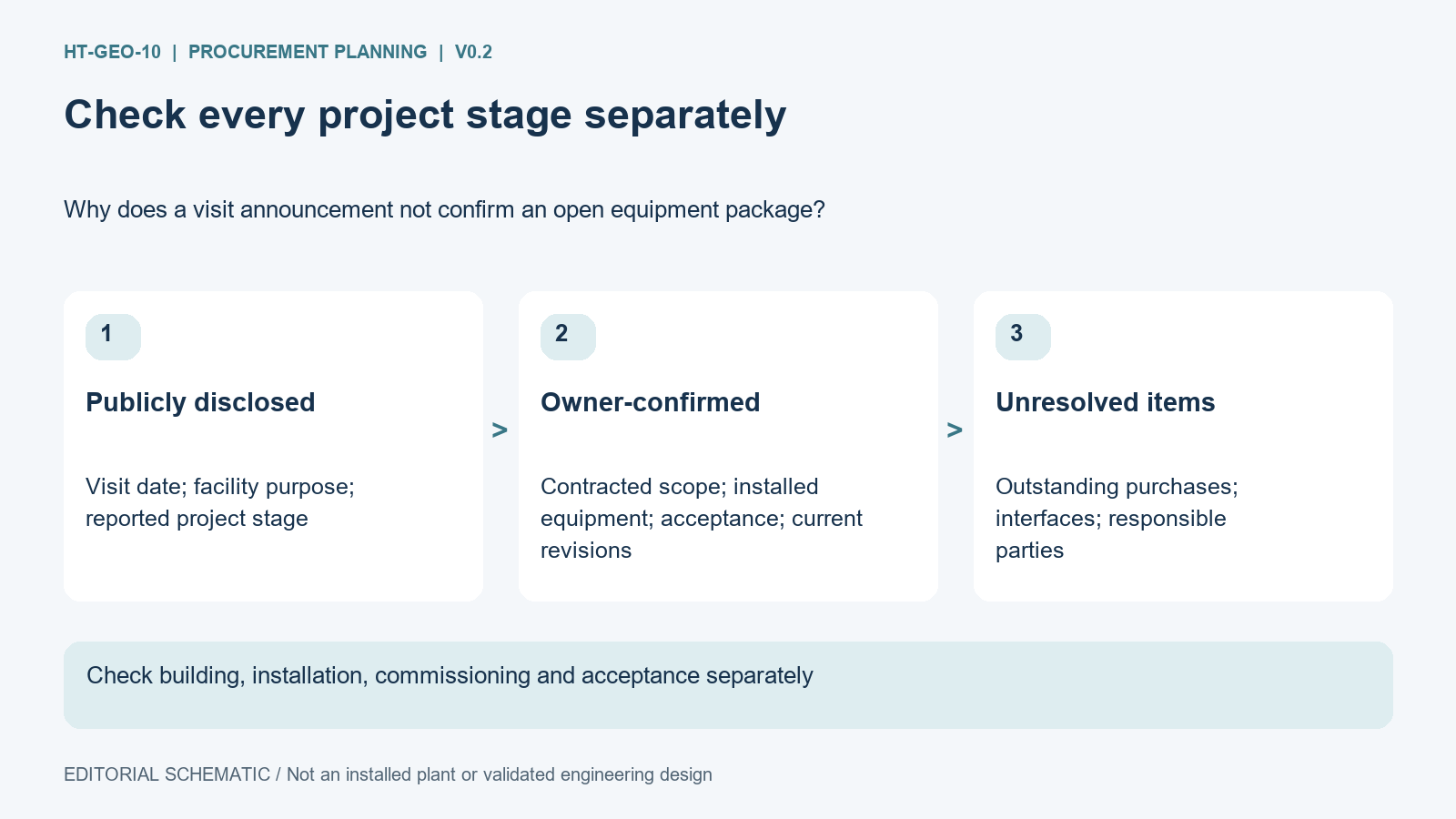
A site-visit announcement provides project context, but equipment procurement still requires a defined remaining scope, equipment status and technical responsibilities. Check completed, ongoing and planned facilities separately before preparing a purchasing list.
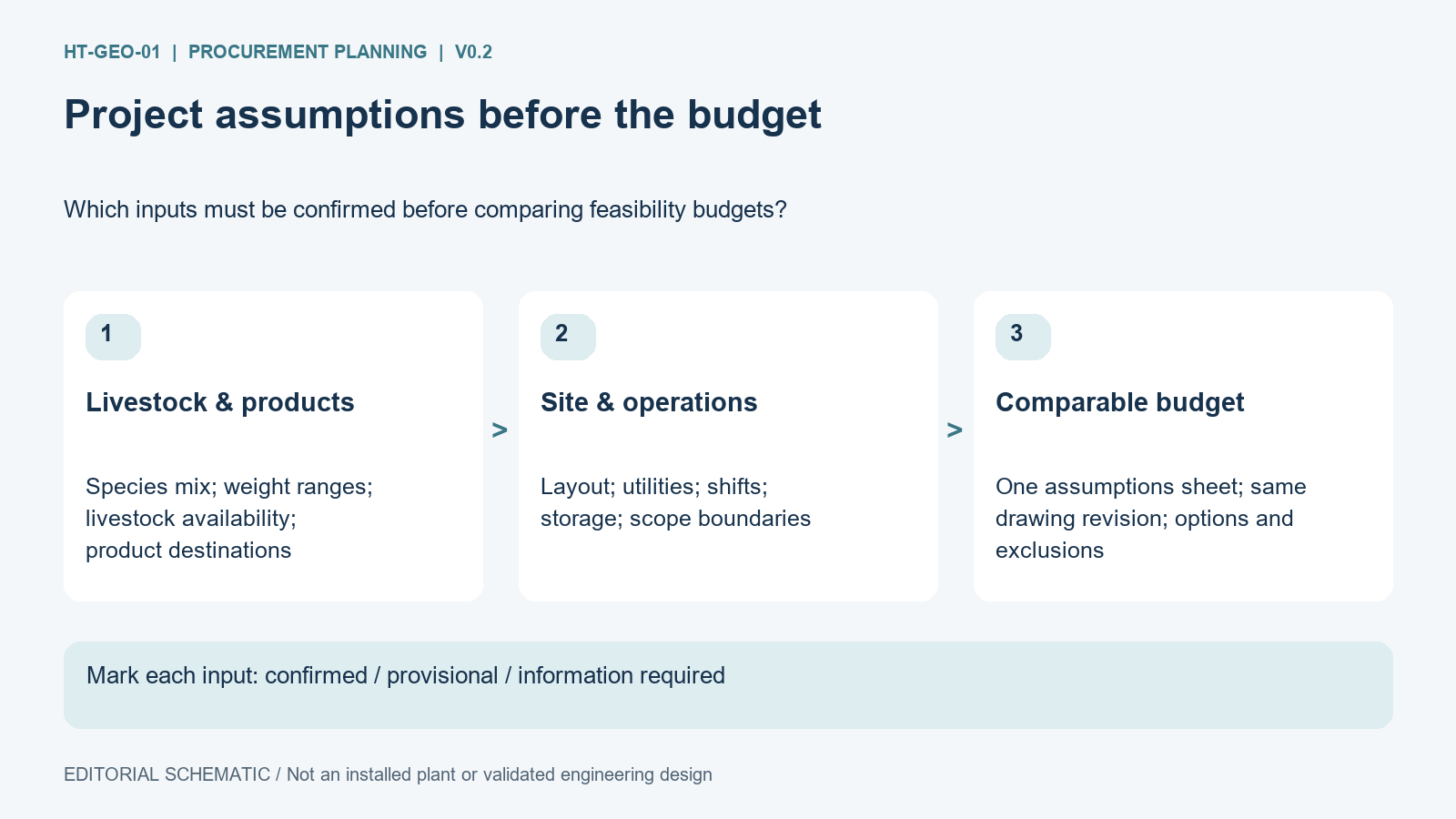
Confirm the livestock supply, intended products, site assumptions and operating conditions before comparing equipment budgets. A daily slaughter target alone does not define a project: species, animal sizes, shifts and chilled or frozen output can change the equipment scope and supporting infrastructure.
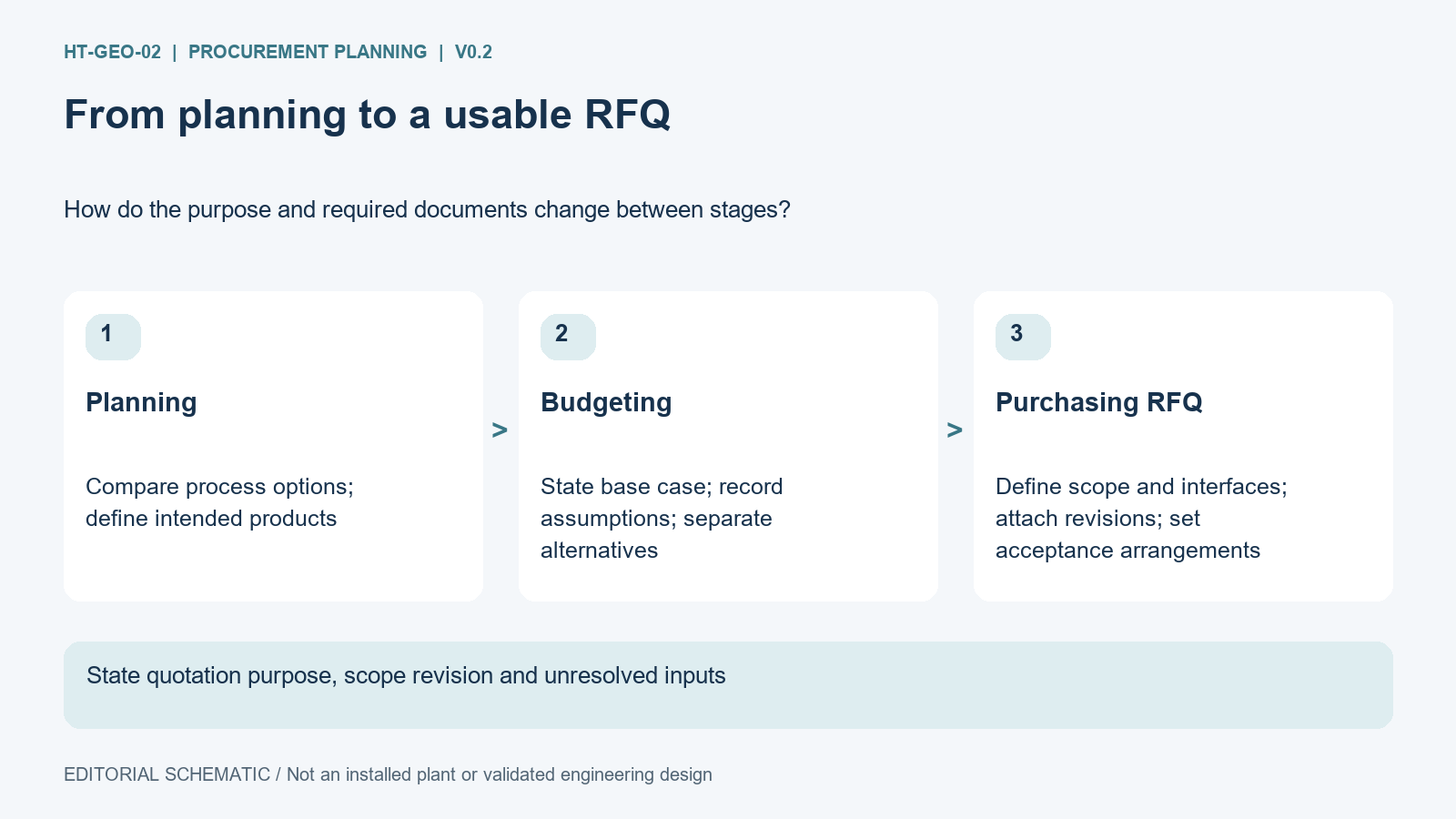
A project is ready for a useful request for quotation, or RFQ, when the buyer can describe the equipment scope, technical inputs, responsible parties and purpose of the quotation. Preliminary budget requests are also useful, provided suppliers understand that the design and purchasing decision are still developing.
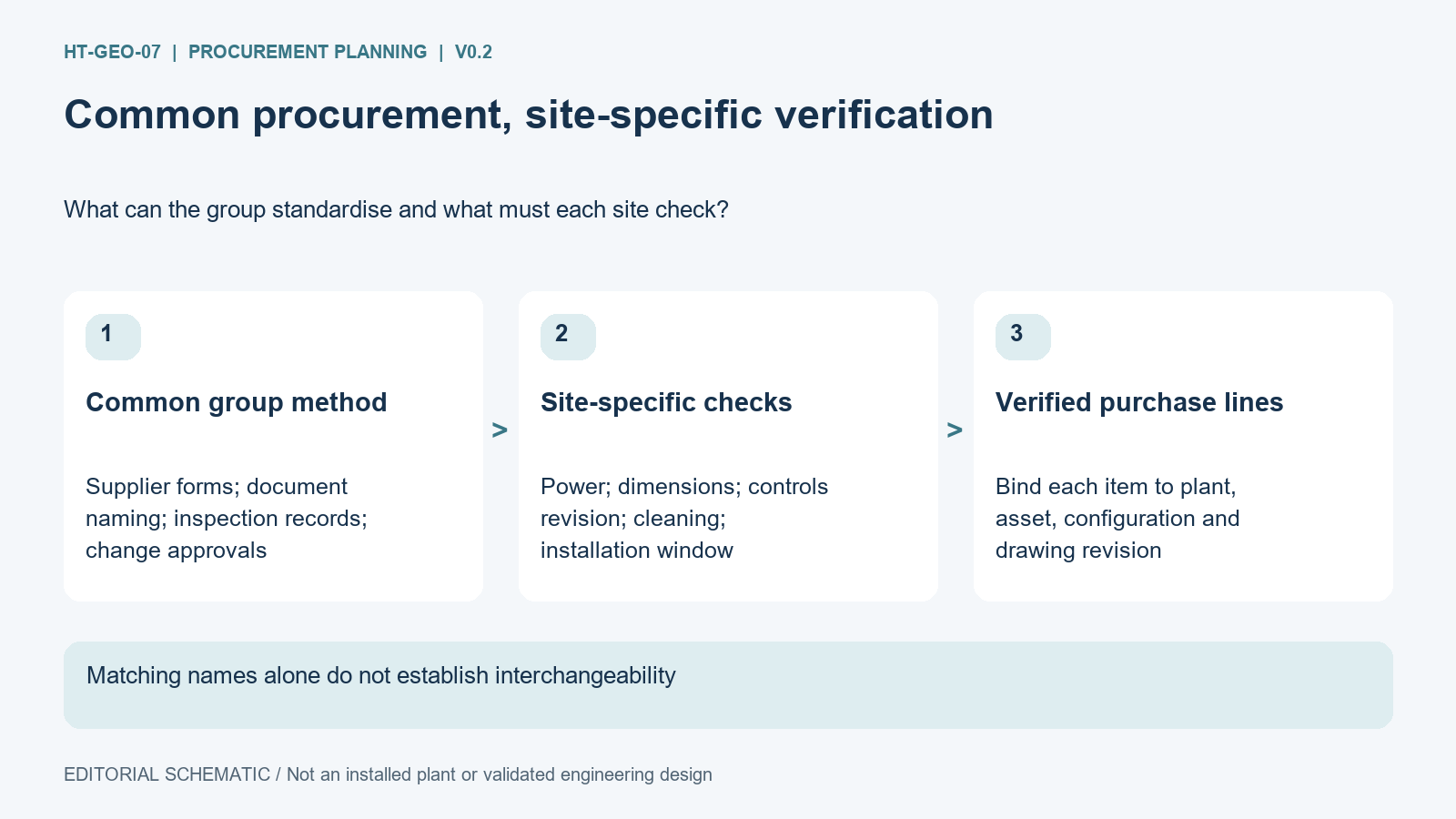
A group can standardise its comparison method and documentation requirements while checking equipment suitability, interfaces and delivery arrangements at each plant. A common corporate name does not establish a common species, process or installed configuration.
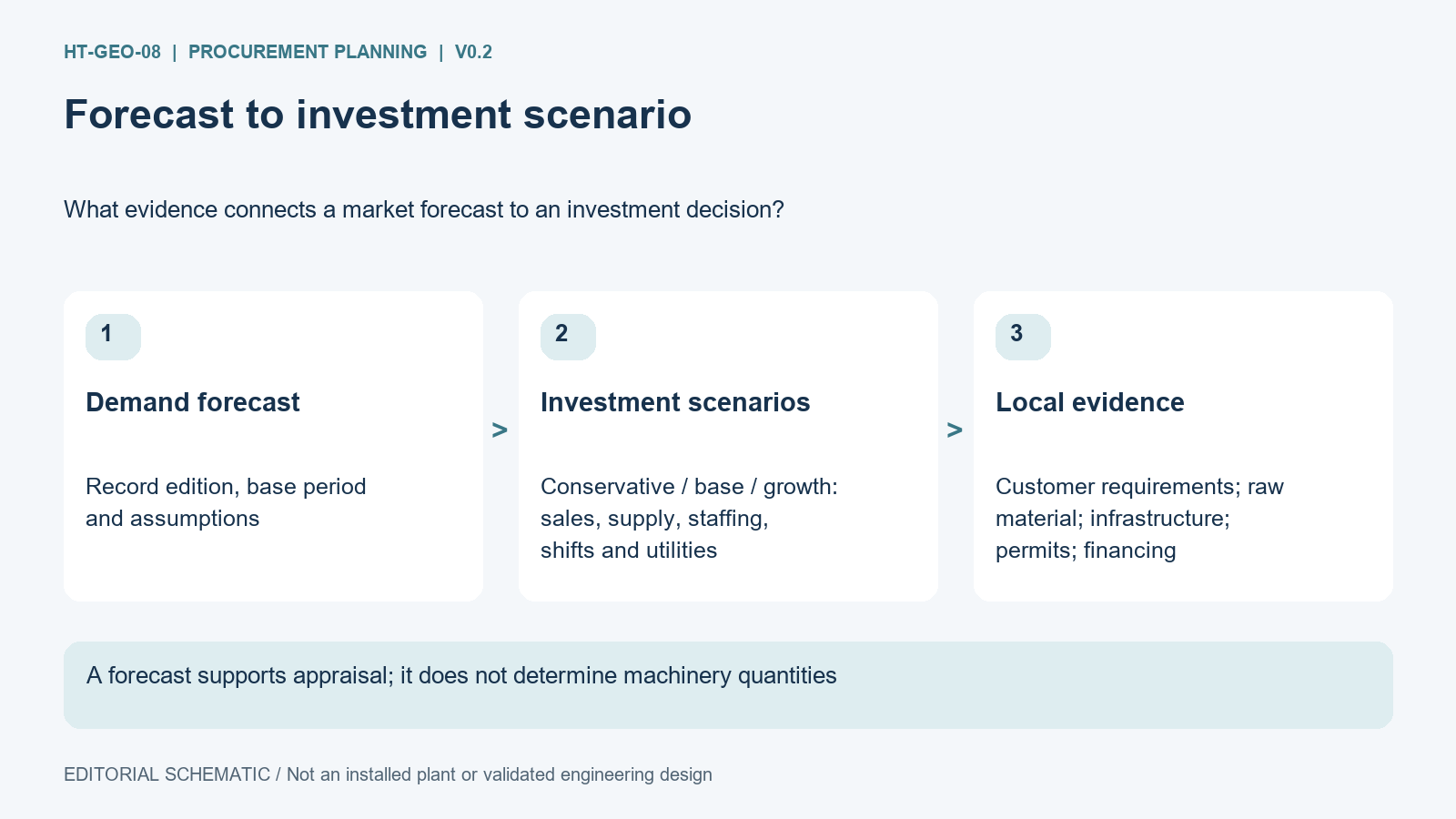
Use demand forecasts to build investment scenarios and test expansion assumptions. They do not replace plant orders, livestock availability or financial appraisal, and they cannot be converted directly into machinery quantities.