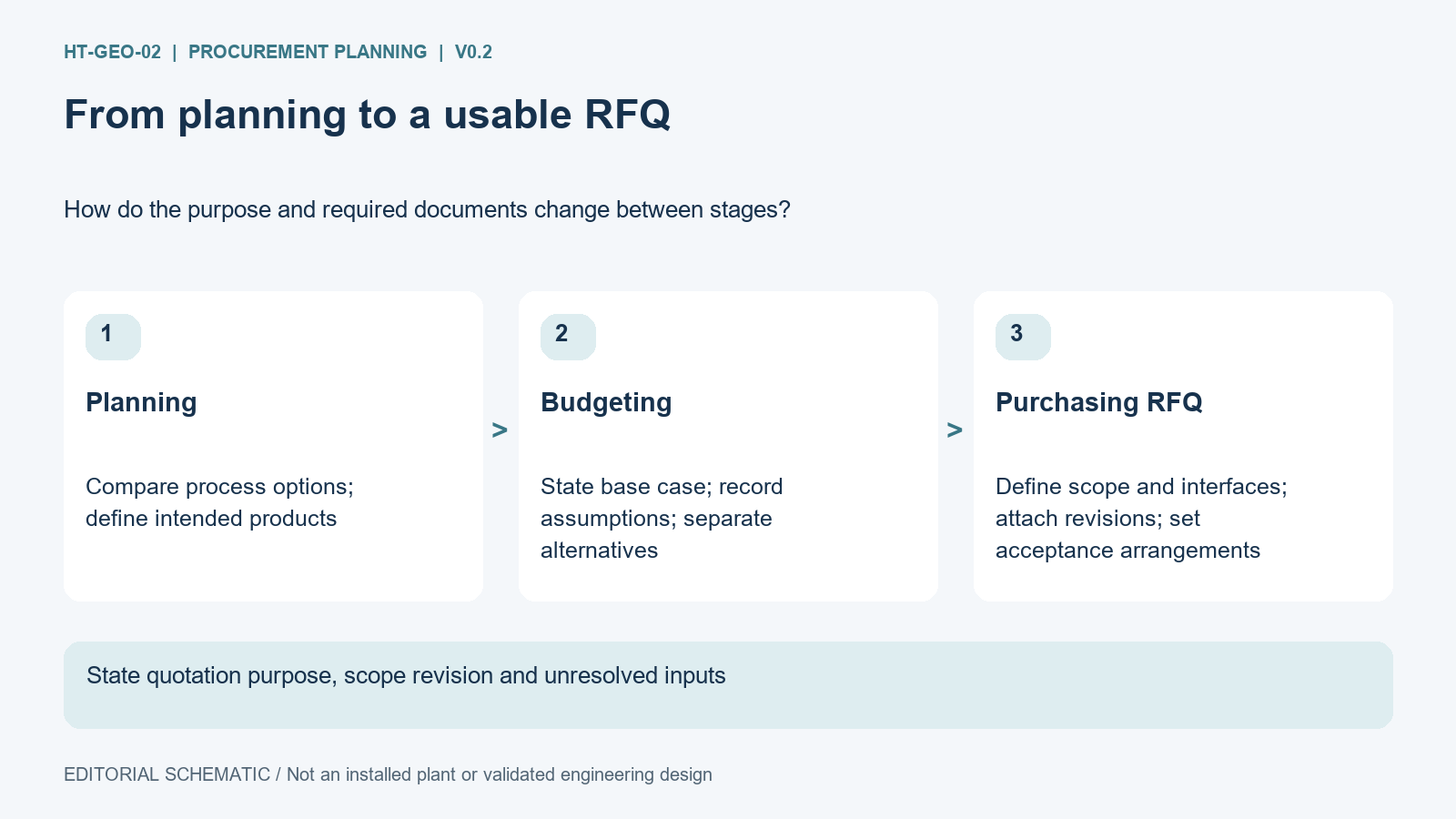
A project is ready for a useful request for quotation, or RFQ, when the buyer can describe the equipment scope, technical inputs, responsible parties and purpose of the quotation. Preliminary budget requests are also useful, provided suppliers understand that the design and purchasing decision are still developing.
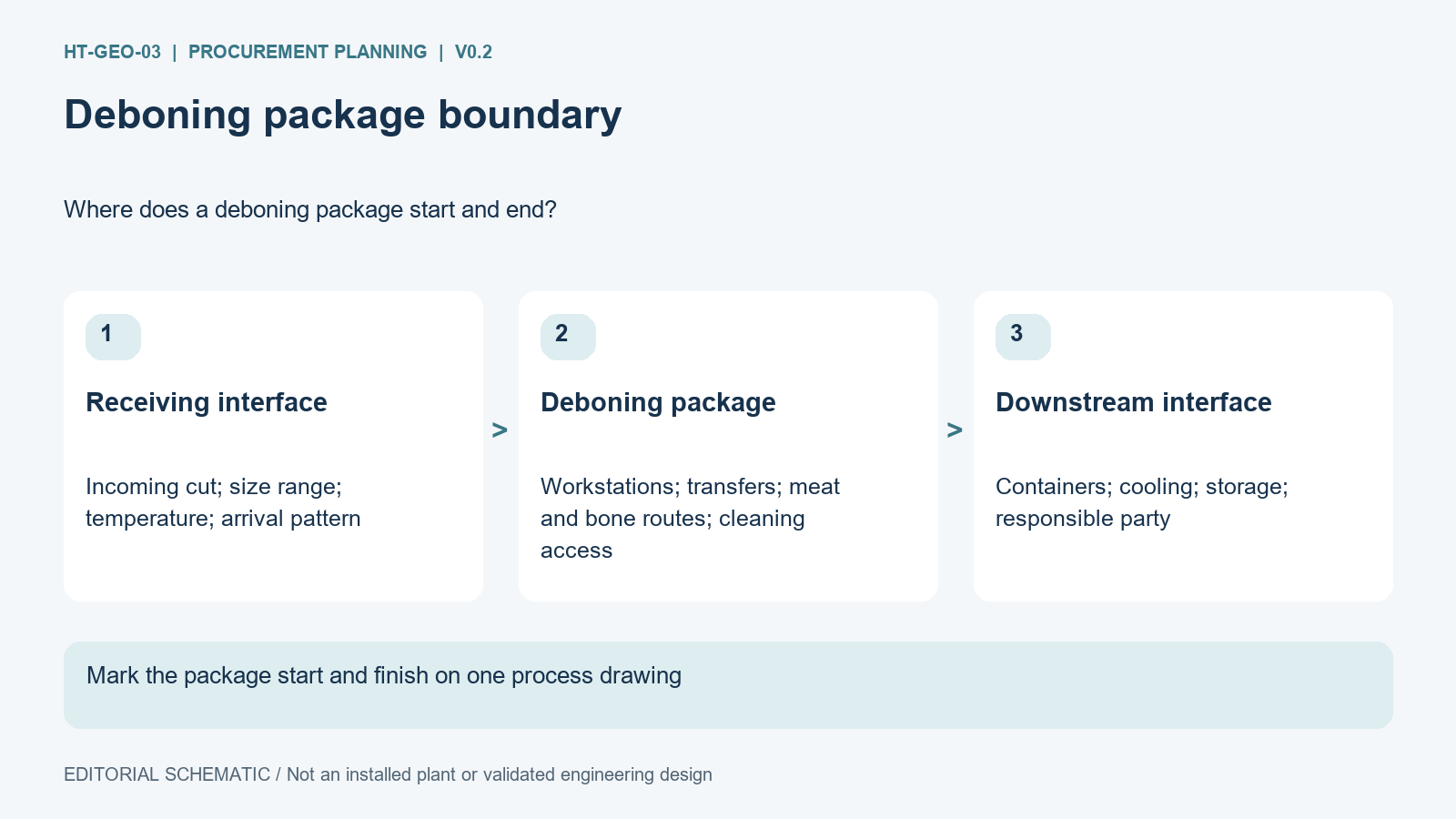
A deboning expansion must first define the incoming cuts, deboning work and downstream handling. It should be specified as a complete slaughter-line project only when the approved scope also includes live-animal reception and slaughter operations.
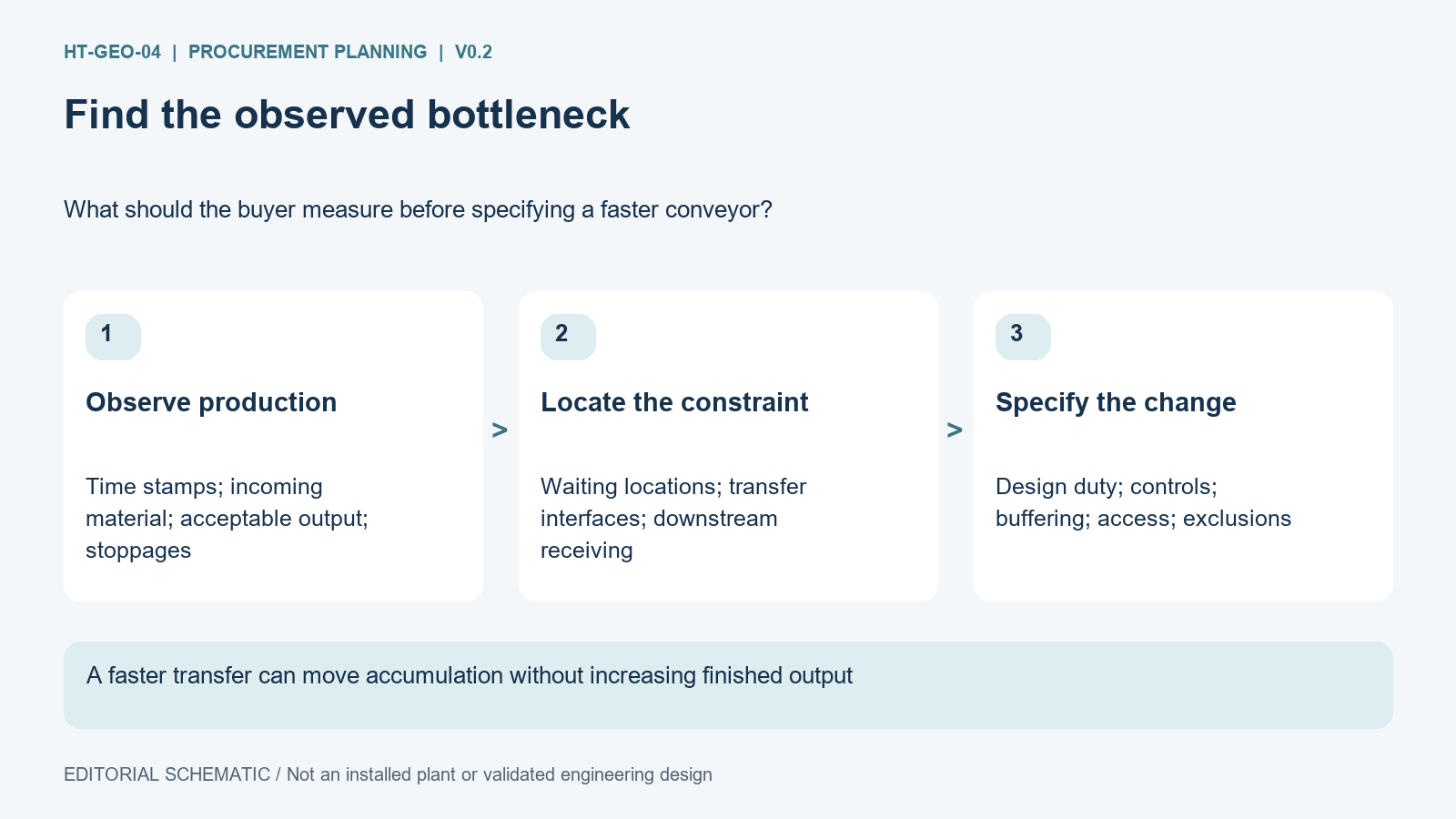
Record actual processing rates, waiting and stoppage causes before deciding whether an expansion needs faster machinery, additional conveying or more buffering. A machine's rated capacity is a starting point; it does not establish the finished output of the complete line.
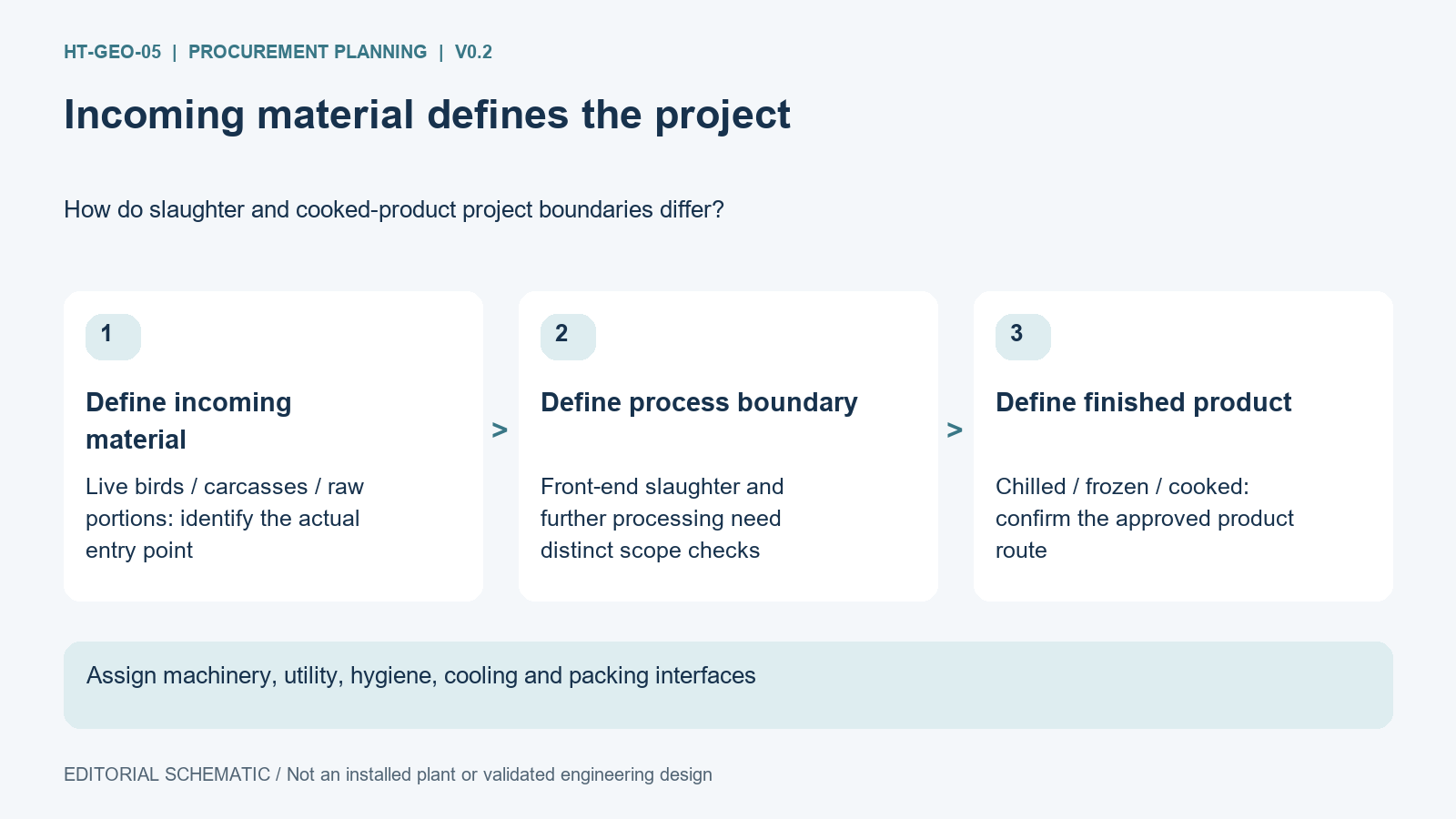
Define the incoming material and finished product first. A project receiving raw meat portions and producing cooked products has a different scope from a project starting with live birds. Both can be described as poultry investment, but they need different equipment specifications.
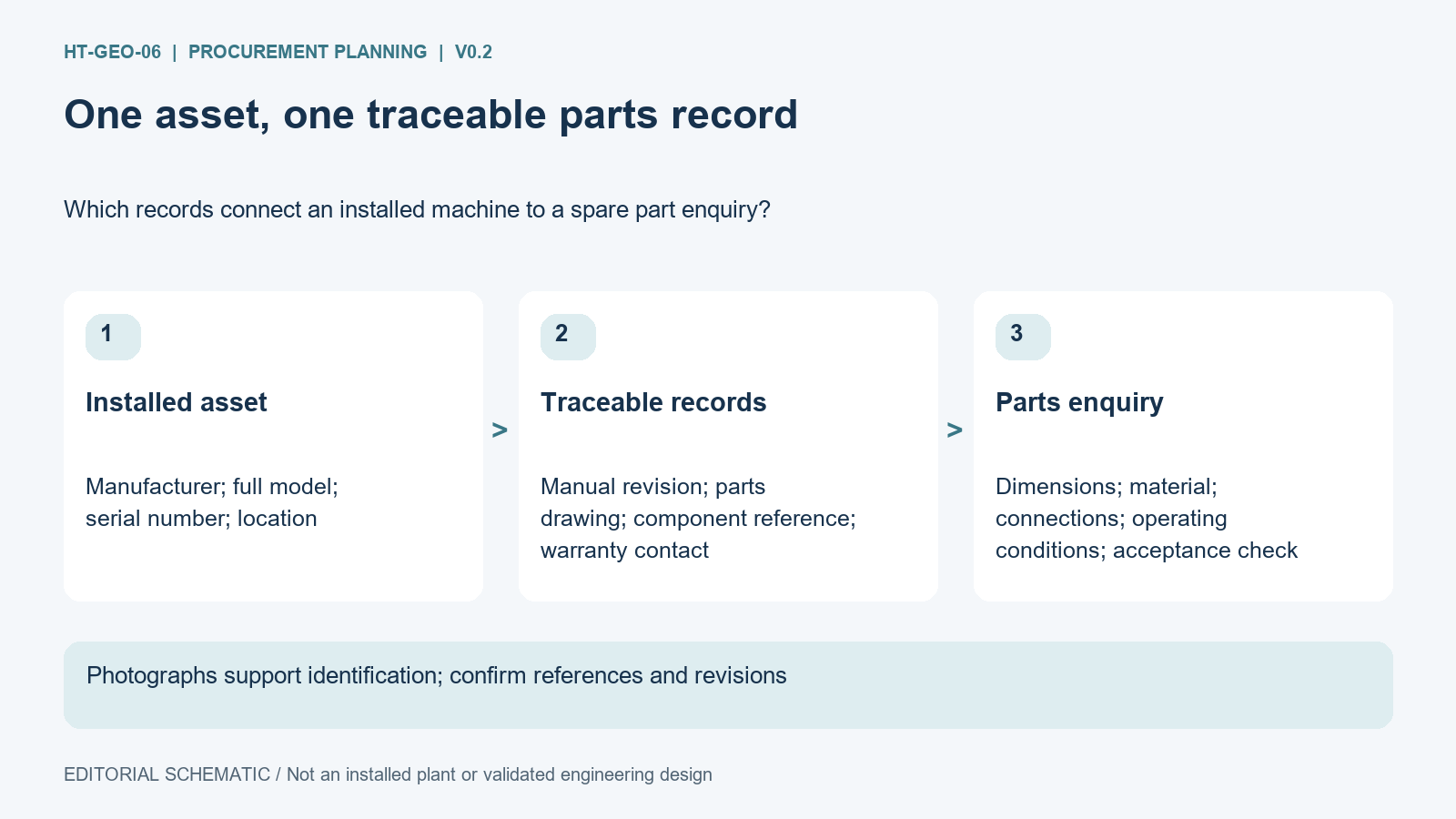
Start with the installed equipment register, warranty responsibilities and operating records. A plant opening establishes an operating milestone; it does not demonstrate wear, faults or an intention to purchase replacement parts.
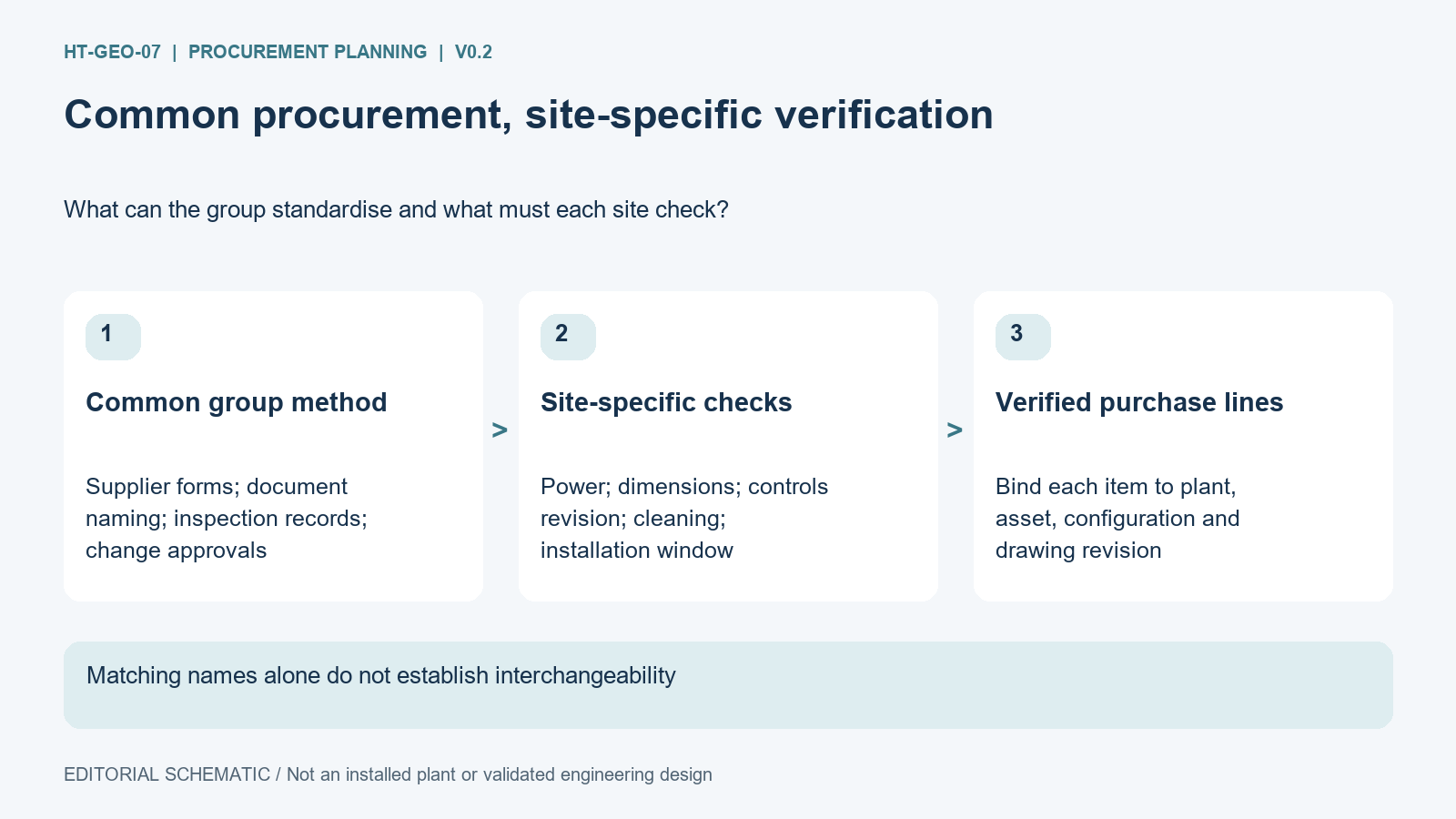
A group can standardise its comparison method and documentation requirements while checking equipment suitability, interfaces and delivery arrangements at each plant. A common corporate name does not establish a common species, process or installed configuration.
 SlaughterPro | HUATAO